






CEO Connection Series: How Tinder Is Building a Better Product, Faster
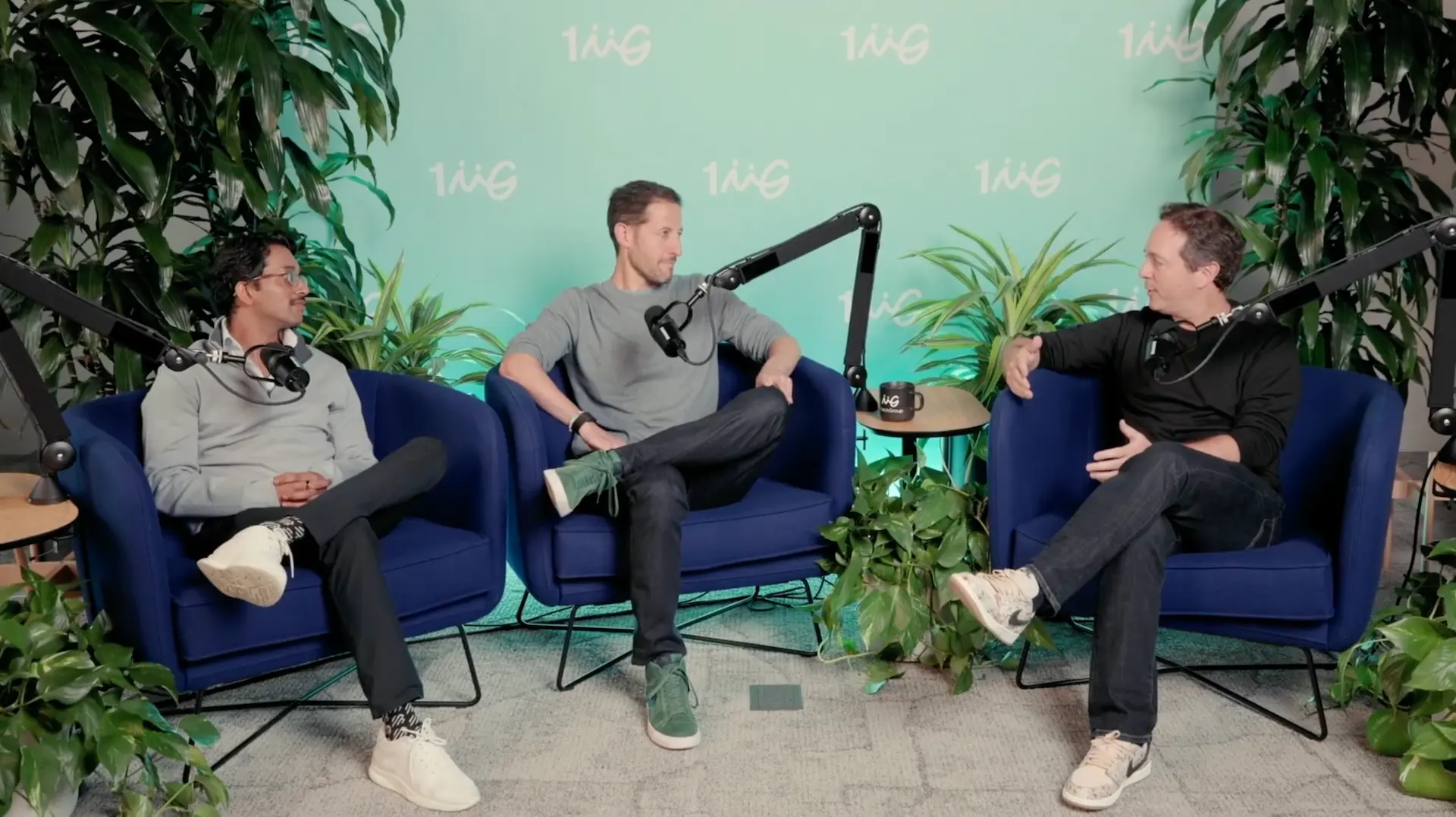
In Match Group’s latest CEO Connection, CEO Spencer Rascoff sat down with Tinder Chief Product Officer Mark Kantor and Chief Technology Officer Vinay Kuruvila to discuss how Tinder has changed over the past 18 months, what is helping the team move faster and where the product is headed next.
Tinder looks and works differently today than it did 18 months ago.
Nearly every part of the experience has evolved, from profiles and discovery to matching and chat. Tinder has made major strides in trust and safety, reducing the prevalence of bots and bad actors by more than 60%. It has improved its recommendation systems, introduced new ways to connect through features such as Double Date and Events, and begun modernizing the experience after a match.
“I’ve been a tech executive for 28 years, and I have never seen a company change its core product so much in such a short period of time,” Rascoff said during the webinar.
The visible product changes are only part of the story. Behind them is a different operating model built around stronger consumer insight, smaller teams, faster feedback loops and a more deliberate use of AI.
Starting with better outcomes
The first shift was clarifying what the team is building toward.
Tinder has organized its product, engineering and design teams around a shared measure called Sparks, which looks beyond matches to conversations between members. This gives teams across the company a common goal: helping more people move from matching to talking and, ultimately, meeting in real life.
That focus has also changed how Tinder thinks about its recommendation system, the technology that determines whom each member sees in the app. Previously, different recommendation queues were designed around different objectives. Tinder has begun bringing those systems together so they can optimize toward the same outcome: creating more Sparks.
The company is also working to make recommendations more responsive. Today, it can take several hours for changes in a member’s behavior or preferences to be reflected in what they see. Tinder is building toward a system that can adapt much more quickly, giving members recommendations that respond as their interests change.
Smaller teams and faster feedback loops
The second shift was organizational.
Tinder moved toward smaller, more autonomous teams that bring product, engineering and design together earlier in the process. With fewer handoffs and more decision-making authority, teams can move from an idea to a prototype, test it with members and use the results to improve it much faster.
Tinder’s engineering team is now shipping at twice the velocity it was a year ago, according to Kuruvila. The benefit is not simply producing more features. It is creating faster learning cycles.
The team has also invested in the underlying technology that makes that pace possible. It has rearchitected parts of Tinder’s codebase that were slowing development, including its chat infrastructure, and strengthened the platforms that support experimentation, machine learning and recommendations.
Rather than pausing product development for a sweeping technical overhaul, Tinder is addressing technical debt incrementally, starting with the areas that most constrain teams or offer the greatest opportunity to improve the member experience. Rebuilding chat, for example, is giving Tinder a stronger foundation for new post-match features while allowing work elsewhere in the app to continue.
Using AI across the development process
AI is accelerating both the Tinder experience and the way the team creates it.
Within the product, Tinder uses AI to help reduce friction during onboarding, support members as they select photos and build profiles, improve recommendations, and strengthen trust and safety features such as Face Check, Are You Sure? and Does This Bother You?
Behind the scenes, AI now supports nearly every stage of product development, from synthesizing member research and generating prototypes to writing, testing and verifying code. More than 90% of new code at Tinder is AI-generated, with engineers responsible for reviewing and validating the work. AI agents also help write tests, verify code and address simpler bugs with human oversight.
The result is a shorter path from idea to learning. Tinder Events is one example. The team held its first meeting about the concept in January, produced prototypes within days and launched an initial version in Los Angeles eight weeks later.
AI makes that pace possible, but it does not decide what Tinder should build. Product ideas still begin with the team’s conversations with members, consumer research and the judgment of its product, engineering and design leaders.
Moving fast on the right problems
“Velocity isn’t just about shipping the most stuff. It’s about shipping the right stuff,” Kantor said.
Tinder begins with a clear consumer need grounded in research and direct member feedback. Teams prototype broadly, test promising ideas and scale the ones that improve outcomes. If a feature does not have the intended impact, the team reevaluates it and may remove it.
That approach is shaping Tinder’s growing focus on more social, lower-pressure ways to connect. Members have consistently told the team that they want to bring friends into the experience. Double Date was an early response to that feedback, and more than one in five Tinder members ages 18 to 22 in the U.S. now has a Double Date pair. Tinder Events is creating another path from the app into real-world experiences, where members often attend with friends.
The same member-led approach is guiding work after the match. Tinder has rewritten its chat infrastructure and is developing new ways to help people start conversations, keep them going and make plans to meet. As Kantor put it, “The fun really begins after the match.”
What comes next
Tinder’s next phase will continue to focus on the parts of the experience that matter most to members: more responsive recommendations, richer and easier profile creation, stronger trust and safety, more social ways to connect, and a better path from match to conversation to a real-life meeting.
The work also extends beyond Tinder. Match Group is increasingly developing AI infrastructure and trust and safety technology that can serve brands across its portfolio. Shared capabilities in areas such as age assurance, verification and AI moderation allow one brand’s advances and learnings to benefit others.
Tinder’s evolution over the past 18 months shows what product velocity looks like in practice. It is not speed for its own sake. It is a system that helps teams understand members more clearly, test ideas more quickly and put better experiences in their hands sooner.